Mar 19, 2026
Design
Everyday Beauty
summary
A closer look at the intelligence and emotional value hidden within ordinary objects. It considers how proportion, material, repeated use, and careful details can turn familiar tools into lasting and meaningful experiences.
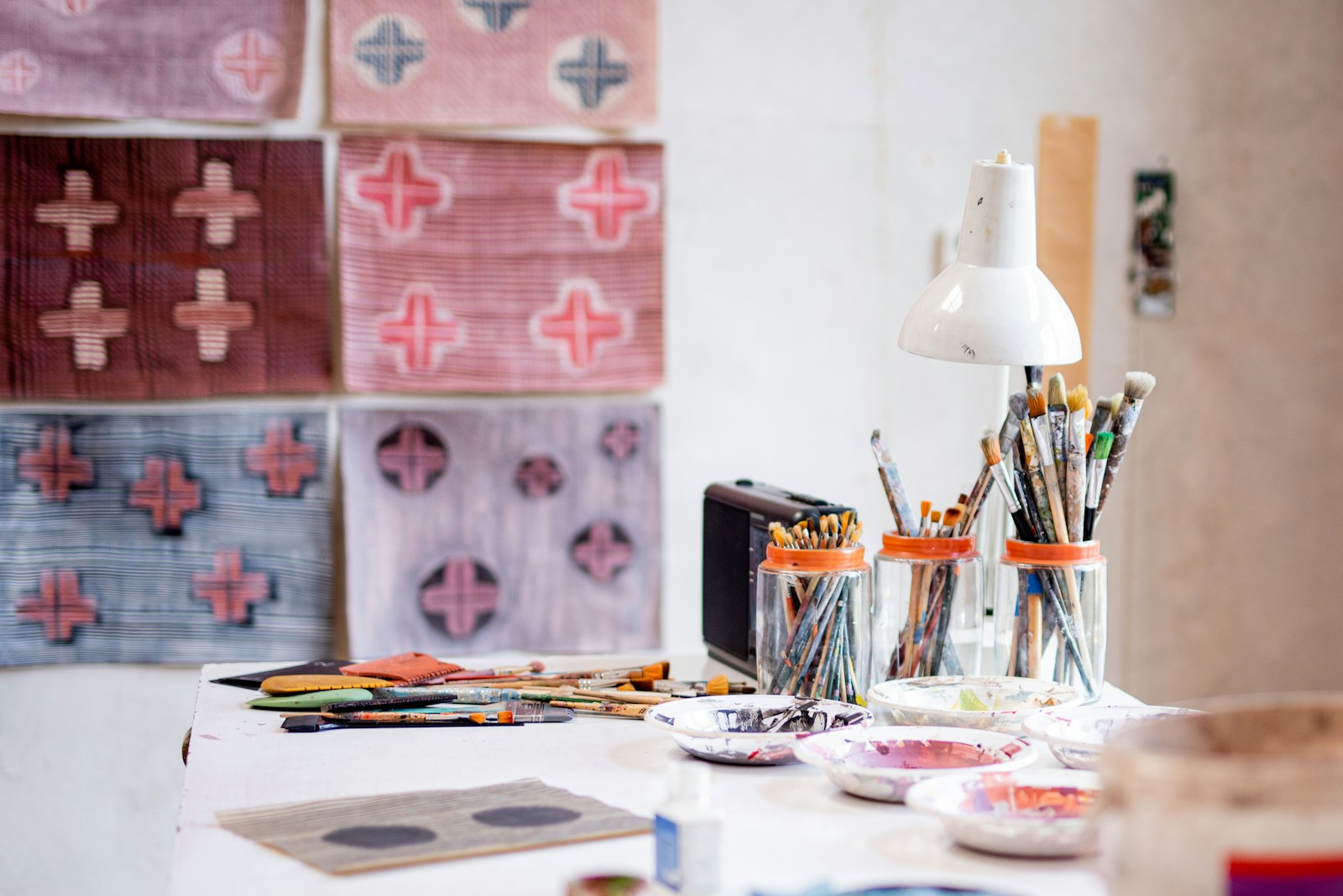
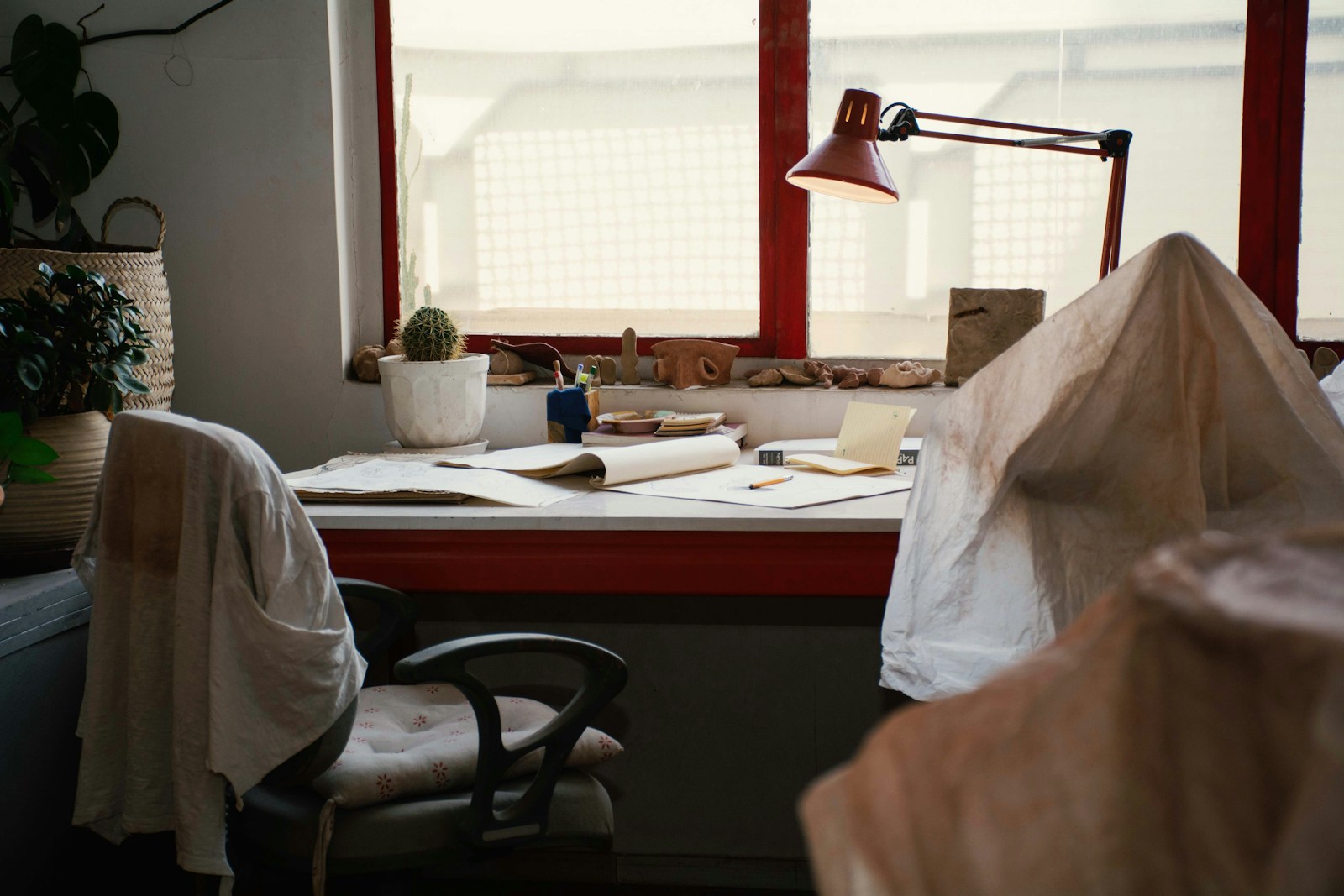
A desk lamp, a notebook, or a chair can become memorable when every detail is considered with care. The beauty of an everyday object is not found in spectacle. It lives in the natural way that object serves a person. Comfort and clarity remain persuasive for a very long time.
Looking closely at a familiar object can teach us about proportion, material, and light. A surface with a subtle reflection feels clean. A soft corner makes an action feel welcoming. These small decisions come together as an experience that people notice even when they cannot describe it.
Good design often makes us forget that we are using something designed at all. Everything happens smoothly and at the right moment. This intentional simplicity turns an ordinary object into a trusted companion.
Ordinary objects also reveal the value of repetition. A handle used every morning or a switch pressed every evening becomes part of a personal rhythm. Small discomforts grow more noticeable with time, while thoughtful details continue to reward the user. This is why familiar products deserve as much care as dramatic new inventions. Their influence is quiet but constant, shaping hundreds of moments that together define daily life.
Designers can study this beauty by paying attention to behavior. Notice where a book naturally opens, how a cup balances in the hand, or which surface gathers marks after repeated use. These observations expose needs that a formal brief may never mention. They also encourage humility. The object does not need to display every clever decision. It needs to support the person using it with as little friction as possible.
There is a lasting lesson in objects that age well. Their proportions remain calm, their materials become richer through use, and their purpose stays understandable. They remind us that novelty is only one form of value. Another form is continued usefulness. When something ordinary is made with attention and respect, it can become deeply personal and remain relevant long after its first impression has faded.
The Intelligence Hidden in Familiar Things
Objects that appear simple often contain years of accumulated knowledge. The curve of a handle may reflect thousands of repeated gestures. The weight of a tool may balance stability with comfort. These decisions become invisible because they have been refined until nothing feels unnecessary. Looking closely at ordinary products reveals how much intelligence can be held in a quiet form.
Familiarity also creates emotional value. A chair can recall a family home, while the sound of a familiar switch can signal the end of a day. Function and memory become intertwined through repetition. This is why replacing a useful object can feel surprisingly personal, even when the new version performs the same task.
Learning Through Daily Observation
Select one object that you use every day and observe it for a week. Notice when it feels effortless, where it creates friction, and how its material changes through contact. Record these details without trying to redesign it immediately. The exercise develops sensitivity to real behavior and helps separate meaningful improvement from decoration.
Designing for a Long Relationship
A lasting object respects both the present moment and the years ahead. It works clearly when new, remains understandable as it ages, and gathers character without losing purpose. Everyday beauty is not a surface treatment. It is the visible result of usefulness, care, and time working together.